
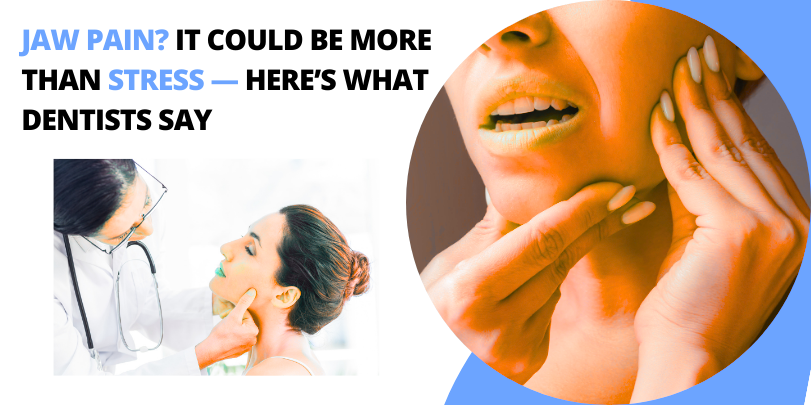
Most people experience jaw pain at some point in their lives. For some, it is a dull, fleeting ache. For others, it is a sharp, debilitating pain that makes eating and speaking difficult.
While many of us are quick to blame stress for a clenched jaw, the root cause can often be more complex. Whether it is a dental infection, a joint disorder, or a habit you aren’t even aware of, persistent pain requires attention.
In this guide, the team at Smile Dental Care Centre breaks down exactly what might be causing your discomfort, effective jaw pain relief strategies, and when it’s time to see a professional.
What Exactly Is Jaw Pain?
Jaw pain refers to any discomfort in the area where your lower jaw (mandible) connects to your skull. This complex system includes bones, muscles, nerves, and the temporomandibular joint (TMJ).
Because this area is used constantly—for talking, chewing, yawning, and swallowing—pain here can significantly impact your quality of life. It is often most noticeable in the morning or after a meal.
Top 5 Common Causes of Jaw Pain
If you are asking, “Why does my jaw hurt?” here are the most common medical and dental reasons.
1. Temporomandibular Joint Disorders (TMD/TMJ)
The TMJ refers to the two joints on either side of your head that act like sliding hinges. When these joints or the surrounding muscles function poorly, it results in a TMJ disorder.
Common symptoms include:
- Pain or tenderness in the jaw joint.
- Clicking or popping sounds when opening the mouth.
- A sensation of the jaw “locking” or getting stuck.
- Difficulty chewing tough foods.
Note: According to the Cleveland Clinic, millions of people suffer from TMD. Causes range from arthritis and injury to poor posture.
2. Bruxism (Teeth Grinding or Clenching)
Bruxism is a condition where you grind, gnash, or clench your teeth. This frequently happens during sleep, meaning many patients are unaware they are doing it until a dentist spots the signs.
Signs you might be grinding your teeth:
- Waking up with a sore jaw or dull headache.
- Flattened or worn-down teeth.
- Increased tooth sensitivity.
- Tight jaw muscles.
Stress and anxiety are major triggers for bruxism. If left untreated, it can lead to severe tooth damage.
3. Dental Problems
Sometimes, the pain isn’t in the joint—it’s radiating from a tooth. Severe jaw pain can actually be referred pain from:
- Deep cavities.
- Gum disease or infections.
- Abscessed teeth.
- Impacted wisdom teeth.
If the pain is sharp, throbbing, or sensitive to hot and cold, the issue is likely dental.
Read More: How to Keep your Teeth Healthy Expert Tips from Dentists
4. Arthritis
Osteoarthritis (wear and tear) and rheumatoid arthritis (inflammation) can attack the temporomandibular joint just like any other joint in the body. This often leads to stiffness, a grinding sensation (crepitus), and restricted movement.
5. Sinus Infections
Surprisingly, your sinuses are located very close to your upper jaw roots. When your sinuses are congested or infected, the pressure can push down on the nerves of your teeth, causing a dull ache in the upper jaw, cheeks, and temples.
What Does Jaw Pain Feel Like?
Symptoms vary depending on the root cause, but patients usually report:
- Radiating pain: Discomfort spreading to the face, neck, or ears.
- Limited mobility: Inability to open the mouth wide.
- Muscle fatigue: A tired feeling in the face.
- Swelling: Visible inflammation on the side of the face.
How to Get Relief: Home Remedies & Treatments
If your pain is mild, you can try these at-home remedies to soothe the area before your dental appointment.
Immediate Home Remedies
- Temperature Therapy: Use warm compresses to relax tight muscles and increase blood flow. Use cold packs (wrapped in a towel) to numb sharp pain and reduce swelling.
- Soft Diet: Give your jaw a rest. Avoid chewing gum, tough meats, or crunchy raw vegetables for a few days.
- OTC Medication: Anti-inflammatories like ibuprofen can help manage temporary pain.
Lifestyle Changes for Prevention
- Manage Stress: Since stress triggers clenching, try deep breathing, yoga, or meditation to relax your facial muscles.
- Correct Your Posture: “Tech neck”—leaning forward to look at screens—puts tension on the neck and jaw muscles. Keep your head aligned with your spine.
- Optimize Sleep: Sleep on your back if possible. Sleeping on your stomach creates lateral pressure on the jaw.
Medical Treatment Options at Smile Dental Care Centre
If home remedies aren’t working, professional intervention is necessary. Depending on your diagnosis, we may recommend:
When Should You See a Dentist?
Do not ignore persistent pain. You should book an appointment if your jaw pain:
- Lasts more than a week.
- Is accompanied by swelling or fever (signs of infection).
- Prevents you from eating or opening your mouth.
- Is causing chronic headaches or earaches.
Ready to live pain-free?
Jaw pain might start as a minor annoyance, but it can signal deeper issues with your dental health. At Smile Dental Care Centre, we help you find the root cause and provide lasting relief.