
Maintaining strong, healthy teeth relies on a consistent combination of daily oral hygiene, balanced nutrition, and regular professional care guided by dental experts. With over 80 percent of adults experiencing at least one cavity by age 34, dentists emphasize evidence-based routines—brushing twice daily, flossing once a day, and scheduling professional dental check-ups every six months—to prevent decay and gum disease. This article delivers expert tips on four pillars of tooth health:
- Daily oral hygiene practices
- Supportive foods and lifestyle habits
- Professional check-ups and cleanings
- Prevention and management of common dental issues
- Recommended tools and techniques
- Debunking myths with dentist insights
- The mouth-body connection and overall health
What Are the Best Daily Oral Hygiene Practices to Keep Teeth Healthy?
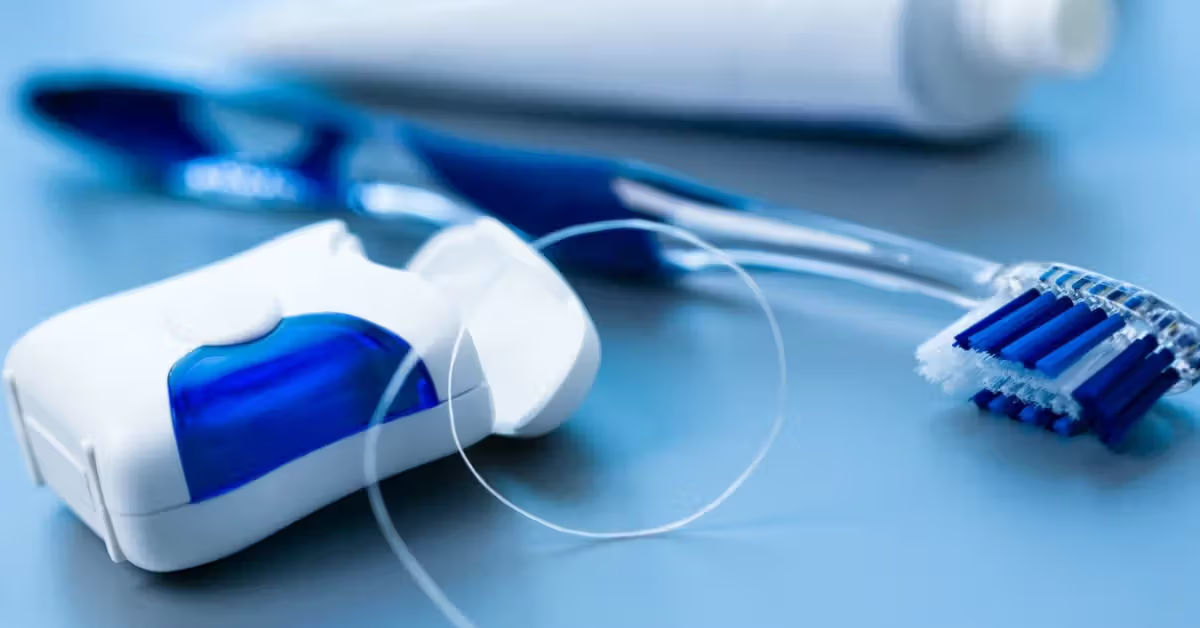
Daily oral hygiene encompasses the mechanical and chemical methods used to remove plaque, bacteria, and food debris from teeth and gums. By disrupting plaque biofilm every 12 hours, you reduce the risk of cavities and gingivitis, as demonstrated when a twice-daily brushing regimen cuts decay rates in half. Consistently applying these practices builds a foundation that supports all subsequent oral health measures. Dental Deposits: Biofilm Reduction Through Supervised Brushing
56% reduction with supervised brushing twice daily compared with unsupervised brushing.
Brushing, flossing, tongue cleaning, and judicious mouthwash use form a synergistic routine that targets plaque on tooth surfaces, interdental spaces, and the tongue’s dorsal surface. Below is a guide to each element, which you can integrate into a daily two-minute routine.
Clinical Trial: Twice-Daily Brushing, Daily Flossing, and Rinsing for Oral Health
All subjects brushed twice daily for 1 min with a sodium monofluorophosphate toothpaste and a soft-bristled toothbrush. Subjects who flossed used unflavored waxed dental floss once daily. Subjects assigned to mouthrinses rinsed twice daily.
Quantitative analysis of the effects of brushing, flossing, and mouthrinsing on supragingival and subgingival plaque microbiota: 12-week clinical trial, 2024.
How Should You Brush Your Teeth for Optimal Plaque Removal?
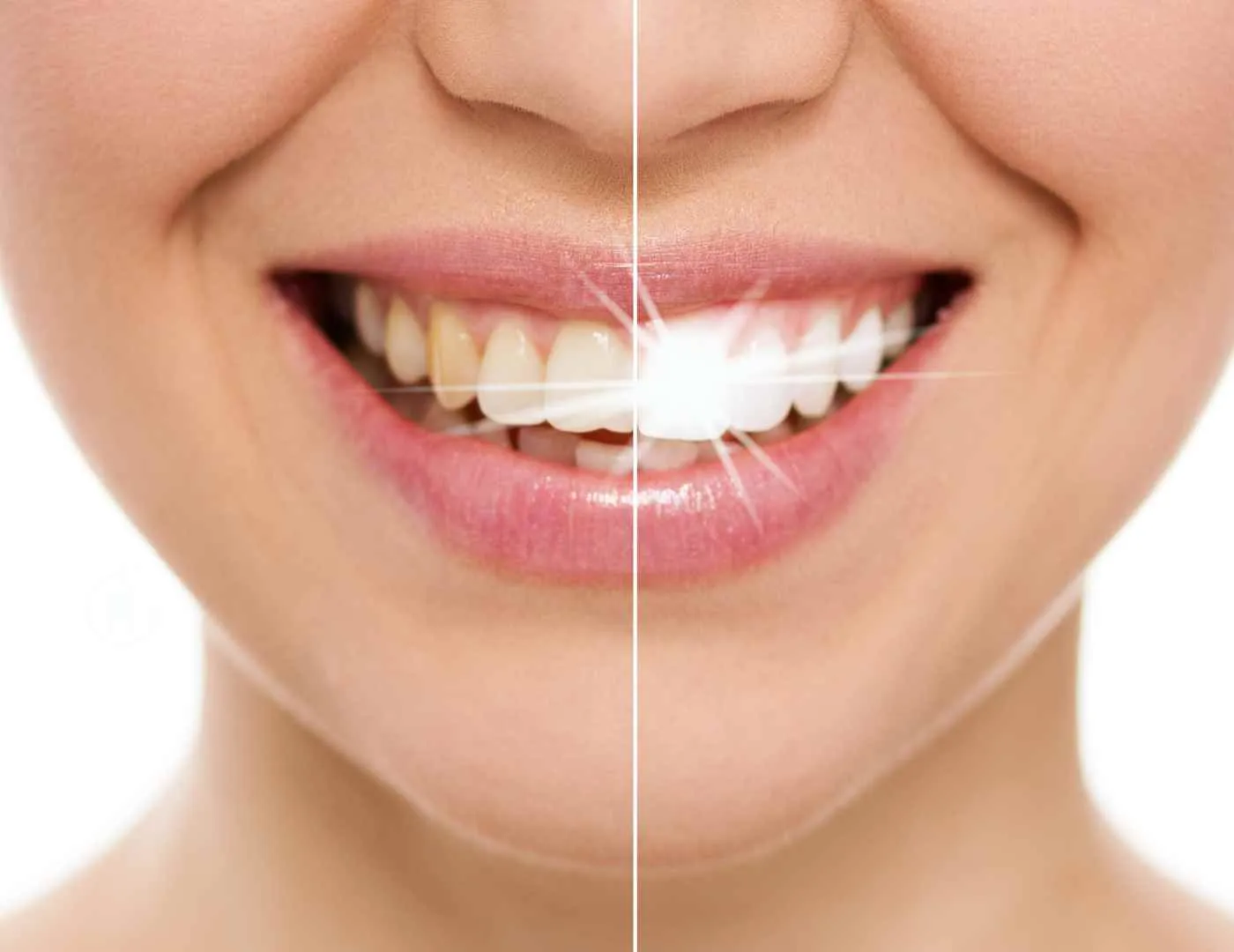
Brushing twice daily with a soft-bristled toothbrush and fluoride toothpaste removes plaque by sweeping bristles at a 45° angle along the gumline in small circular motions.